The Future of Digital Marketing Is Getting Scary: What Businesses Need to Do Now
Digital marketing is entering a new era, and for many business owners, it feels a little scary. Not because SEO, paid ads, or content marketing are going away, but because the old playbook is no longer strong enough on its own.
For years, businesses could rely on a familiar formula: rank on Google, run paid ads, publish blog content, post on social media, and wait for traffic or leads to come in. That still matters, but search behavior is changing. Google is adding more AI-generated answers into search results. Users are asking longer questions inside AI platforms. Paid ads are becoming more automated. Content is being produced faster than ever.
The scary part is not that digital marketing is dead. The scary part is that weak digital marketing is becoming easier to ignore.
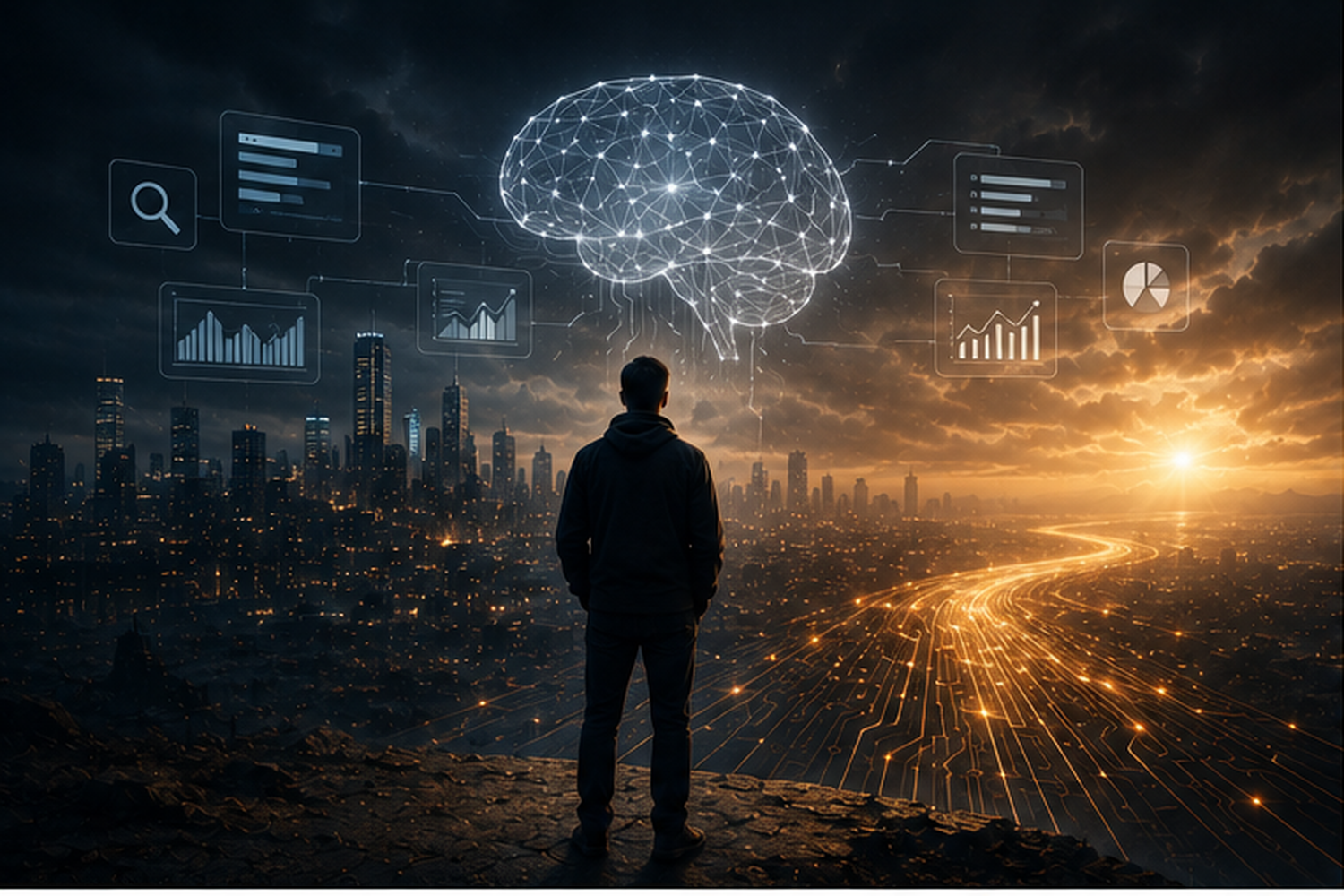
AI Search Is Changing the Way People Find Answers
Google’s AI Overviews introduced a major change to the search experience by placing AI-generated answers directly inside search results. Google has described this shift as a way to let Search do more of the work for users, especially when they are researching complex questions, comparing options, or trying to understand a topic quickly.
That matters because users no longer have to click through multiple websites to get a starting answer. In some cases, Google can summarize the information directly on the results page. Organic rankings still matter, but rankings may not always produce the same click-through opportunity they used to.
Overall AI Overview Activation
A 2026 study found that AI Overviews appeared for 13.7% of more than 55,000 trending Google queries.
Question Queries Hit Harder
That same study found AI Overviews appeared for 64.7% of question-form searches, making FAQ-style and “how-to” searches more exposed.
AI Sources Can Differ
Nearly 30% of AI Overview-cited domains did not appear in the traditional first-page results for the same query.
Traditional SEO Is Not Dead, But Lazy SEO Is
SEO is not disappearing. In many ways, SEO is becoming more important. But the type of SEO that works is changing. Thin blogs, generic service pages, keyword stuffing, copied competitor content, and content written only to check a box are becoming weaker strategies.
Businesses need content that shows real expertise, strong structure, clear service knowledge, and a reason for users to trust the brand. AI search systems are not only looking at keywords. They are trying to understand entities, relationships, credibility, usefulness, and context.

What Lazy SEO Looks Like Today
Thin Service Pages
Pages that barely explain the service, process, pricing factors, trust signals, or customer problems.
Generic Blog Content
Articles that answer basic questions but do not add examples, expertise, local context, or real business value.
No Tracking Clarity
Campaigns that count every form fill or phone call as equal, even when lead quality is inconsistent.
No Authority Building
Websites with weak internal links, few quality backlinks, poor local signals, and little brand trust.
The goal is no longer just to publish more content. The goal is to publish content that is worth trusting, worth citing, and worth acting on. That is where strong on-page SEO, technical structure, internal linking, and content quality become more important.
Website Traffic May Become Harder to Predict
One of the biggest concerns with AI search is the potential impact on informational traffic. If users get more answers directly inside search results, some searches may lead to fewer website visits. A 2026 study referenced in AI Overview research found that AI Overview exposure reduced daily traffic to English Wikipedia articles by approximately 15%.
That does not mean every business will lose 15% of its traffic. A local service company, ecommerce store, healthcare practice, or B2B company may see very different results depending on its keywords, content type, and customer intent. But the larger message is clear: businesses should not rely on one traffic source, one ranking position, or one marketing channel.
Search Is Becoming More Answer-Based
Users can get summaries faster, which means basic educational content may not always earn the same clicks.
Brand Trust Matters More
Businesses need clear service pages, strong reviews, consistent listings, and helpful content that builds confidence.
Conversion Paths Matter
If traffic becomes harder to earn, every visit needs a stronger chance of becoming a lead or customer.
Paid Ads Are Becoming More Automated
Search is not the only area changing. Paid advertising is also becoming more automated. Google Ads continues to rely heavily on machine learning through Performance Max, broad match, automated bidding, AI-powered creative, and campaign recommendations.
Automation can be powerful, but only when the system is trained with the right data. If a campaign only knows that a form was submitted or a phone call happened, it may treat every lead as equal. That becomes a problem when some leads are serious buyers and others are spam, price shoppers, wrong-service inquiries, or low-quality calls.

What Modern Paid Ads Need Now
Clean Conversion Tracking
Calls, forms, booked appointments, sales-qualified leads, and revenue actions should be tracked as clearly as possible.
Landing Page Alignment
The page needs to match the searcher’s intent, answer objections, and make the next step easy.
Lead Quality Feedback
Ad platforms perform better when they learn which leads are actually valuable, not just which ones submitted a form.
First-Party Data
CRM data, call outcomes, and customer insights help guide automation toward better business outcomes.
This is why modern Google Ads management needs more than keywords and ad copy. It needs tracking quality, landing page strategy, campaign structure, and a clear understanding of what a good lead actually looks like.
AI Platforms Are Becoming Discovery Channels
More people are also using AI assistants to research products, compare services, ask for recommendations, and understand what provider may be the right fit. This means future customers may not always start with a traditional Google search. They may ask an AI platform what company to hire, what service they need, what questions to ask, or what provider seems trustworthy.
If your business is not clearly positioned online, AI systems may not understand when or why to recommend you. That is where AI SEO and AI search optimization become more important.
Clear Service Pages
AI systems need to understand what you offer, who you help, where you operate, and why your service is relevant.
Helpful Content
Strong content answers real customer questions with enough depth to be useful beyond a basic AI summary.
Authority Signals
Reviews, backlinks, citations, brand mentions, and consistent business information help build trust online.
The Businesses Most at Risk
The businesses most at risk are not the ones using digital marketing. They are the ones using outdated digital marketing. If your website has weak service pages, poor tracking, thin content, no local SEO strategy, and no plan for AI search, the next few years could become more difficult.
The risk is usually not sudden. It is slow. Traffic softens. Rankings become less predictable. Cost per lead rises. Campaigns generate more low-quality inquiries. Competitors with better content, better tracking, and stronger authority become easier to trust.
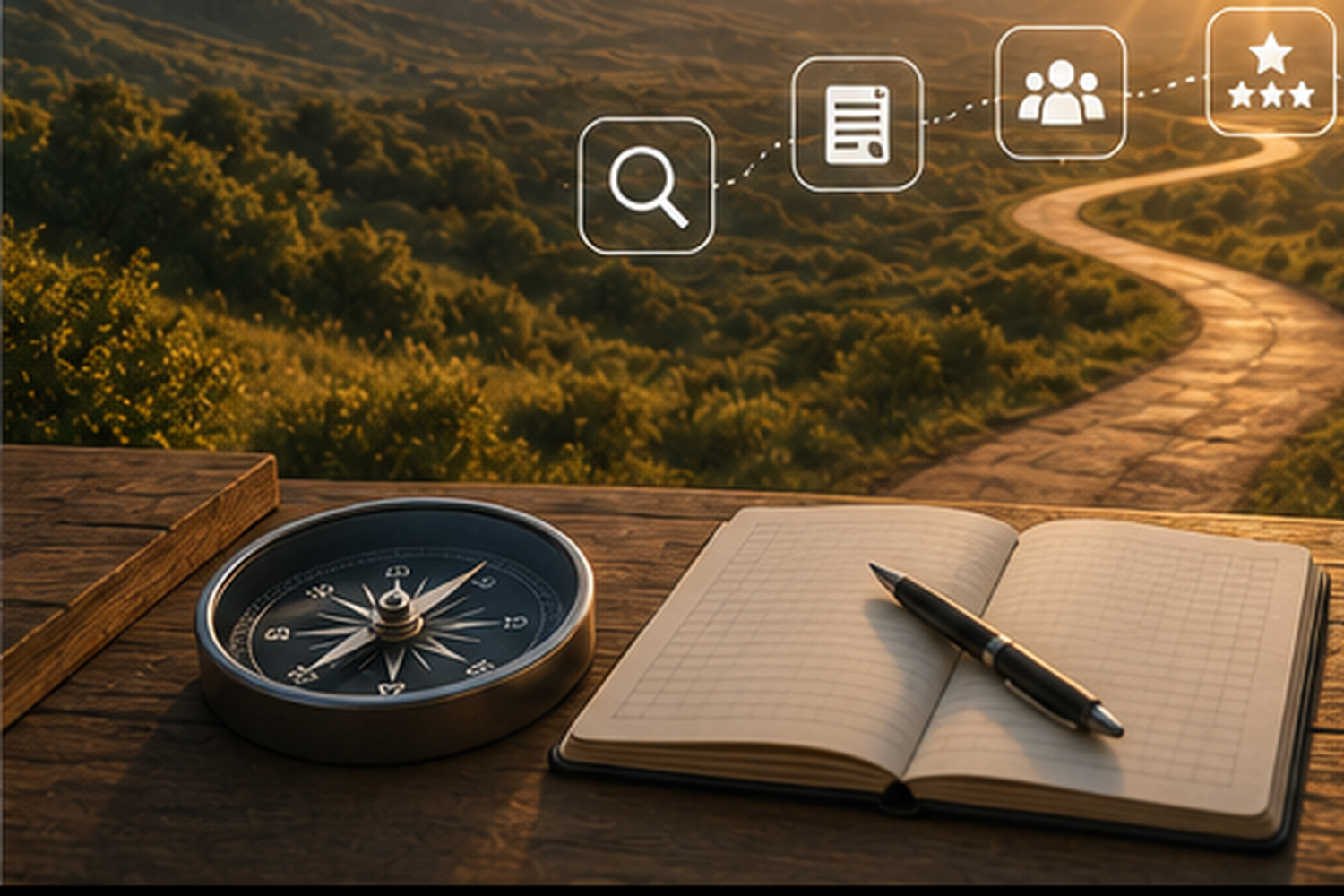
What Businesses Should Do Now
The best response is not panic. It is preparation. Businesses should start by strengthening the foundation they already control: the website, tracking, content, local visibility, and brand trust.
Improve Core Service Pages
Make sure your main service pages clearly explain what you offer, who it is for, why it matters, and how someone can take action.
Upgrade Content Quality
Create content that answers real customer questions, supports buying decisions, and shows actual expertise.
Fix Tracking Gaps
Track the actions that matter most, including calls, forms, booked appointments, lead quality, and sales outcomes when possible.
Diversify Visibility
Build visibility across organic search, AI search, paid ads, social media, local listings, and branded searches.
At Orange SEO, we help businesses prepare for this new world with practical AI SEO strategy, on-page optimization, content creation, paid search management, social media ads, and conversion tracking improvements.
The future of digital marketing may look scary, but it also creates opportunity. Businesses that move early, improve their digital foundation, and build real authority will have a major advantage over competitors still relying on lazy SEO, weak ads, and generic content.
FAQ: Preparing Your Business for the Future of Digital Marketing
Is SEO still worth it with AI search?
Yes. SEO is still worth it, but the strategy needs to evolve. Businesses should focus on helpful content, strong service pages, technical SEO, internal linking, authority building, and AI search visibility instead of relying only on basic keyword rankings.
Will AI Overviews reduce website traffic?
AI Overviews may reduce some informational clicks because users can get answers directly in the search results. The impact will vary by industry, keyword type, and search intent. Businesses should protect themselves by improving conversion paths, building brand demand, and diversifying traffic sources.
What is AI SEO?
AI SEO is the process of optimizing your website, content, brand signals, and authority so AI-powered search systems can better understand, trust, and reference your business. It supports traditional SEO but also focuses on how businesses appear in AI-generated answers.
How should businesses prepare for more automated Google Ads?
Businesses should improve conversion tracking, connect lead quality data where possible, strengthen landing pages, and clearly define what a valuable lead looks like. Automation works better when the platform receives better data.
What is the biggest digital marketing mistake businesses should avoid right now?
The biggest mistake is relying on outdated tactics while search and ad platforms are changing. Thin content, weak tracking, poor service pages, and one-channel marketing strategies are becoming riskier. Businesses need a stronger, more diversified digital foundation.
Sources: Google AI Overviews announcement, Google AI Mode announcement, 2026 AI Overview measurement study.
Prepare Your Marketing for What Comes Next
If your business wants to stay visible as search, paid ads, and AI platforms continue to change, Orange SEO can help you build a stronger strategy.
Contact Orange SEO