In today's digital age, having an online presence has become essential for businesses of all sizes. With the increasing reliance of consumers on the internet to find information about products and services, having a website is no longer a luxury, but a necessity. However, simply having a website is not enough. In order to reach the right audience and drive traffic to your website, you need to implement an effective search engine optimization (SEO) strategy.
How to Measure the ROI of SEO: A Step-By-Step Guide
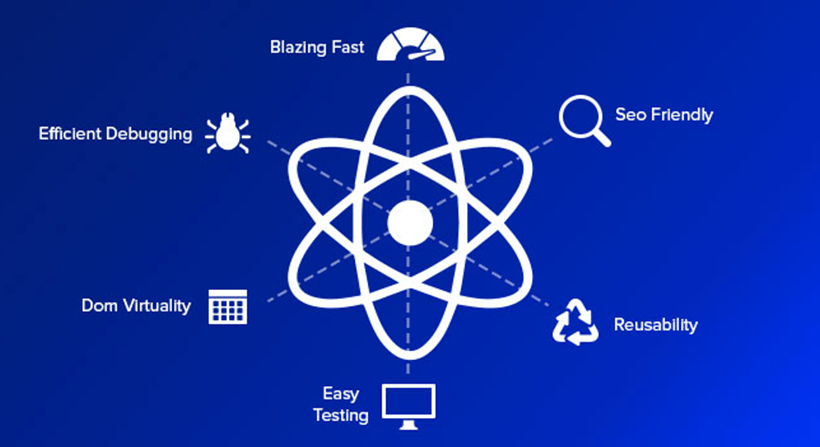
SEO Pros and Cons of Using React JS
ChatGPT Will Not Replace Google - Here's 10 Reasons Why
If you have not heard about the new ChatGPT, an AI Chabot tool, then you are probably not on social media or the internet for that matter. But for everyone else, I am assuming you have heard of it and potentially played with it by now. There has been a lot of news around this new AI tool and one of the more interesting topics is that ChatGPT will take over Google search in two years. Obviously, this NY Post article got a lot of attention because that is a major claim. Now the article does bring up some good points but after truly thinking about this it is really possible?
The Benefits of Redirects for SEO
Redirects are crucial in the world of SEO. If you are updating your website or just a page, redirects can either help you are hurt, if you don’t do them correctly. Redirects also help Google know what the new pages are for the one you either dropped or updated. I have worked on a lot of large website projects and redirects are basically forgotten until someone alerts the team before the new website is launched. The truth is if you forget to do redirects on a new website you will lose most of your organic and paid traffic to the pages that don’t exist anymore. Not to mention all the broken links internally on your website.